

Voices From The Grave

Angels vs Demons and the Question of Safety!
A Voices From The Grave paranormal crime investigation always begins with one hard question: how dangerous is this really? Before anything dramatic happens, before anyone starts calling out to entities or challenging dark forces, the first concern is safety. That is exactly the energy at the center of this finale setup, where the team steps into a tense spiritual confrontation framed as Angels vs Demons.
This moment is brief, but it says a lot about the kind of paranormal crime investigation being teased here. There is caution. There is tension. There is the possibility of a real response from something unseen. And there is a clear sense that once you begin engaging with spiritual activity, you had better be ready for whatever answers back.
The first question in any paranormal crime investigation: Is it safe?
The opening concern is immediate and blunt: “How dangerous is what you’re about to do?” That is not just dramatic language. It is the foundation of a serious paranormal approach.
Any credible paranormal crime investigation has to start by recognizing risk. Whether the team is dealing with residual energy, intelligent spirit activity, or what they interpret as something darker, stepping into that space without acknowledging potential danger would be reckless.
The response is just as direct: “That’s safety.” In other words, the danger assessment is not separate from the investigation. It is part of the process.
That exchange captures an important principle:
• Risk awareness comes first
• Protective measures matter
• Spiritual confrontation is never treated casually
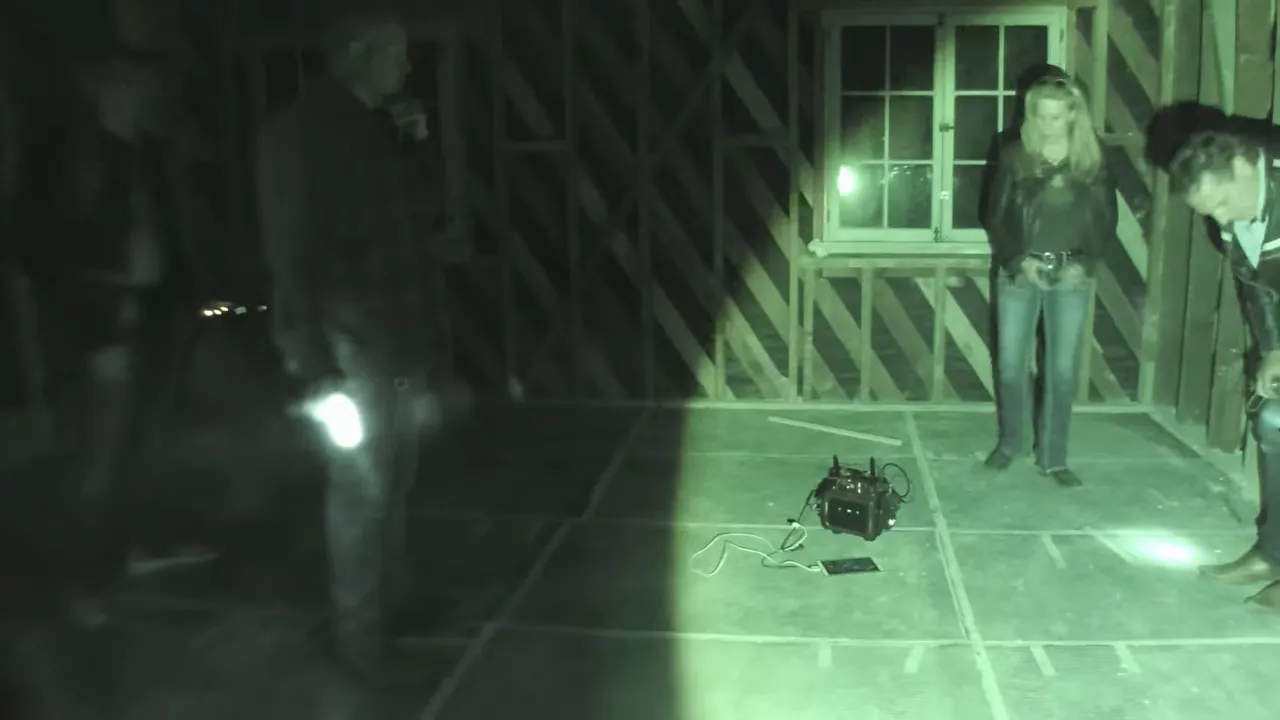
When the room reacts before anything is confirmed
Almost immediately, there is a disturbance. Someone mentions hearing a rumbling. At first, there is uncertainty. Was it just movement from the camera setup? Was it environmental noise? Or was it something else?
That moment of doubt is common in a paranormal crime investigation. Not every sound is evidence. Not every shift in atmosphere means contact. The team does what investigators should do: they question it.
One person tries to explain it away. Another answers, “No, I heard it.”
That back-and-forth matters because it shows the difference between fear and discernment. Paranormal teams often live in that narrow space between natural explanation and unexplained activity. The sound itself may be simple, but the reaction reveals a method:
• Notice the anomaly
• Test the obvious explanation
• Confirm whether others experienced it too
Even in a short exchange, that is the rhythm of field work.

Calling out unseen presences
Then the language shifts from observation to engagement. A sharp question is thrown into the space: “Are all the victims announcing themselves by age and name?”
This line gives the encounter a more specific emotional weight. It suggests the team may be attempting communication not just with random entities, but with spirits connected to harm, trauma, or unresolved events. That is where the phrase paranormal crime investigation becomes especially fitting. The contact is not framed as entertainment alone. It is tied to victims, identity, and the possibility of testimony from beyond.
There is also frustration in the moment. The team notes that they are not hearing the expected kind of response from the darker force they are addressing. Instead of clear communication, there is resistance and tension.
That resistance often defines this kind of work. Not every presence is cooperative. Not every spirit wants to answer direct questions. And when the team suspects something demonic or oppressive, the goal changes from collecting information to establishing spiritual boundaries.
Confronting dark energy directly
The strongest language in this encounter comes when the team addresses what they identify as dark or demonic energy: “Demonic energy, you need to return to where you came from.”
This is not a passive request. It is a command.
In a paranormal crime investigation with a spiritual warfare angle, direct commands like this serve a few purposes:
• They establish authority over the space
• They reject attachment or escalation
• They create a boundary between the team and the force being challenged
The framing of this finale as Angels vs Demons becomes clearer here. The conflict is not just about discovering activity. It is about choosing a side and acting from that position. The team is not neutral toward the dark presence they believe may be there. They are actively pushing it back.

Release, resistance, and spiritual pressure
After the command comes a single word: “Release.” Short, forceful, and loaded.
That word can carry several meanings in a confrontation like this. It can be a call for a spirit to let go. It can be a demand that oppressive energy break its hold. It can also signal an attempt to free a person, place, or atmosphere from something harmful.
The next line suggests resistance remains: “You won’t fight. You can.” The wording is rough, but the intent feels clear. This is a challenge to the force being addressed, a refusal to give it control over the encounter.
That is a revealing detail in a paranormal crime investigation centered on spiritual conflict. These moments are not always clean or polished. They are tense, reactive, and emotionally charged. People speak in fragments because the energy in the room has shifted. What matters is the stance being taken:
• The team recognizes a hostile presence
• They refuse to submit to it
• They attempt to send it away rather than provoke it further
What this finale setup promises
Even in this short scene, the season finale promises a lot. It suggests an episode built around confrontation, discernment, and spiritual protection. The title Angels vs Demons, who will win? is not subtle, and it is not meant to be. It frames the investigation as a clash between opposing forces, with the team placed right in the middle.
For anyone interested in paranormal crime investigation, that setup points to a few core themes:
• Safety is never optional
• Environmental changes are taken seriously but questioned first
• Victim-focused communication adds emotional and investigative weight
• Dark energy is confronted, not invited in
• Spiritual authority becomes part of the investigative method
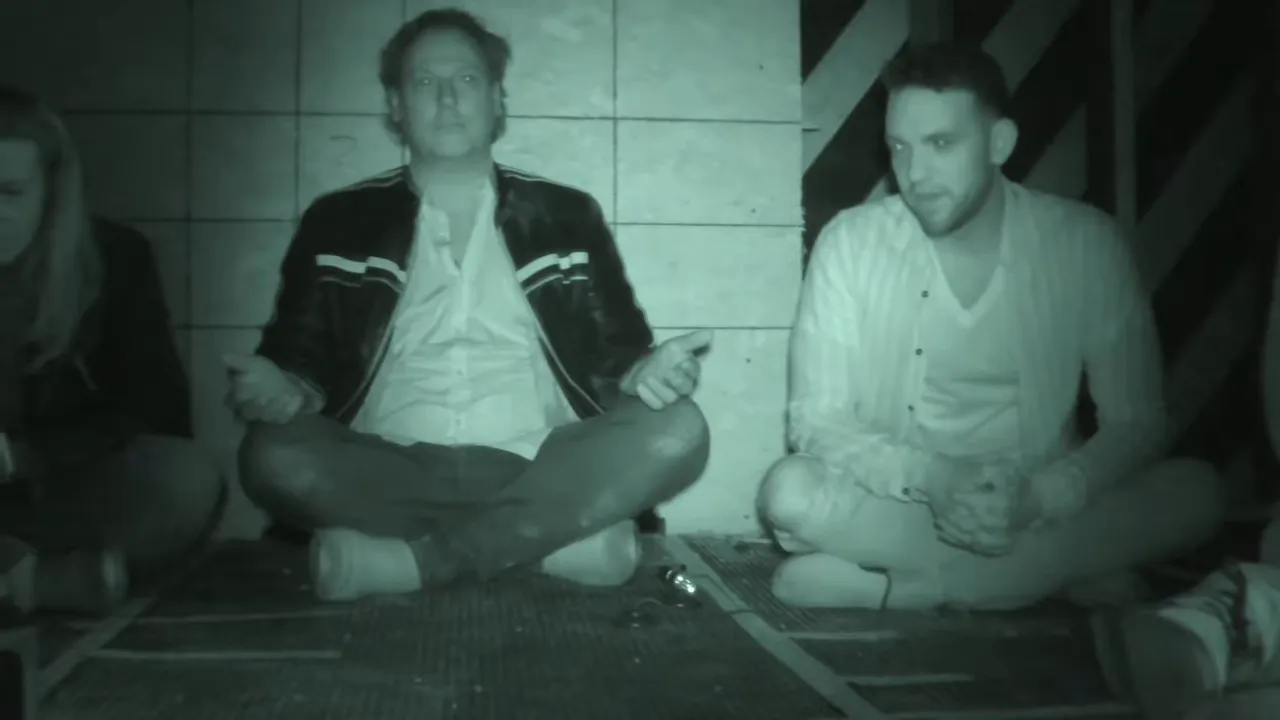
Why the tension matters
The most effective paranormal moments are often the simplest. A question about danger. A rumbling nobody can fully explain. A command into the darkness. A demand for release.
Those moments work because they reveal what is really at stake. In a paranormal crime investigation, the goal is not just to experience something strange. It is to understand what is present, determine whether it is harmful, and respond in a way that protects everyone involved.
That is the real tension behind this finale preview. Not just whether angels or demons “win,” but whether the team can enter a spiritually charged environment, recognize what they are dealing with, and hold the line.
When the first question is about danger, everything that follows carries more weight. And when dark energy is told to go back where it came from, the battle has already begun.
This article was created from the video Season Finale Premiere Friday May 22, 6PM (PST) Team Live at 5P Angels vs Demons, who will win? with the help of AI.